All Categories
Featured
Table of Contents
Automation is a game-changer in accounting software, enabling small company owners to conserve time and minimize mistakes. Automated functions can include transaction categorization, billing generation, cost tracking, and bank feed synchronization. By removing manual information entry, automation makes sure that monetary records remain as much as date with very little effort. Advanced accounting options can also provide AI-driven insights, assisting businesses make data-driven financial choices with greater accuracy and efficiency, while making sure that human domain professionals are associated with the backend, guaranteeing that the data is precise.
This procedure includes comparing taped transactions with bank declarations to recognize discrepancies, missing payments, or unauthorized charges. Automated reconciliation tools can speed up this procedure by connecting straight to savings account and flagging disparities, helping service owners preserve monetary precision, avoid fraud, and prevent pricey errors. Extensive monetary reporting is important for comprehending business performance and making informed decisions.
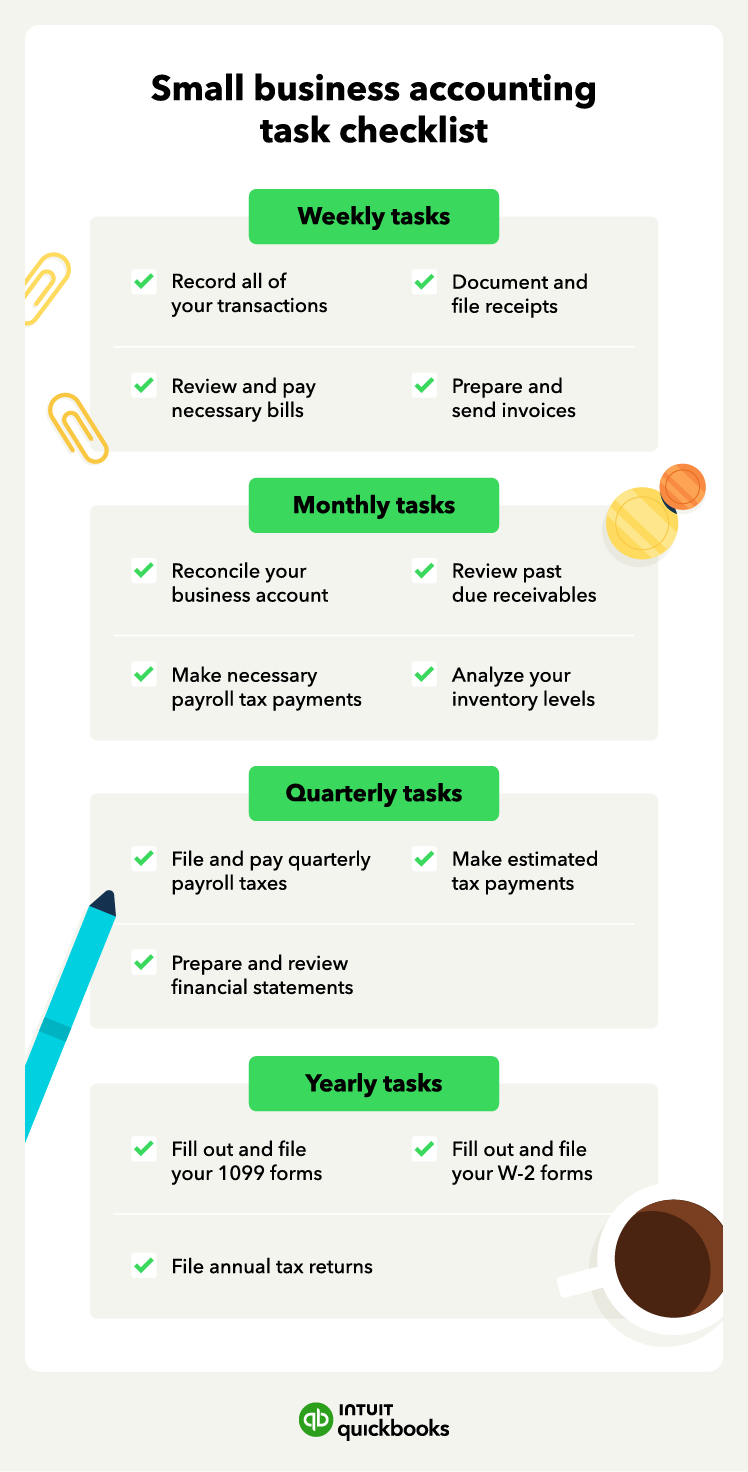
These reports offer insights into earnings trends, cost patterns, and overall monetary health. The best bookkeeping tools permit report modification, making it possible for entrepreneur to focus on key metrics pertinent to their market and functional needs. Smooth integration with payment processors makes sure that incoming and outbound deals are precisely taped in the bookkeeping system.
This function is specifically essential for ecommerce businesses, where deals happen throughout multiple platforms, making automated tracking vital for handling cash circulation and financial reporting. While lots of small company owners begin by handling their books alone, there comes a point when contracting out ends up being a smarter choice. Hiring an accountant is vital when accounting tasks start taking excessive time far from running business, financial records become too intricate to manage precisely, or tax compliance ends up being a concern.
The expense of accounting services varies depending on elements such as the intricacy of monetary transactions and the scope of work. Small businesses can anticipate to pay anywhere from $300 to $400 monthly for standard bookkeeping services. Cloud-based bookkeeping solutions that integrate software application with expert bookkeeping services, such as Finaloop, provide a cost-effective option to employing a conventional accountant.
Manual Versus Automated: Selecting the Best Store OperationsBuilding Financial Sustainability for Modern Retailers
Company owner need to look for a bookkeeper with experience in their industry, efficiency in bookkeeping software, and a strong understanding of tax regulations and financial reporting. While both accountants and accountants deal with monetary information, their functions differ significantly. An accountant is accountable for tape-recording everyday financial deals, handling invoices, tracking expenditures, and reconciling accounts.

An accountant, on the other hand, analyzes monetary information, prepares financial declarations, analyzes service performance, and uses tactical monetary advice. Accounting professionals likewise deal with tax preparation and compliance, making sure companies fulfill legal requirements. Failing to keep receipts and proper monetary records can make it challenging to track expenditures and justify deductions throughout tax season.
To avoid this mistake, businesses should implement a system for storing receipts digitally or physically, utilizing bookkeeping software application or apps to scan and classify costs for simple recommendation. Among the most typical bookkeeping mistakes is blending personal and company financial resources. Using a personal bank account or charge card for organization purchases makes it harder to track business expenditures, complicates tax reporting, and increases the danger of mistakes.
How Smart Inventory Management Systems Cut Waste
Routine bank reconciliation makes sure that an organization's monetary records properly show real-world transactions. Failing to fix up bank and credit card statements can result in undiscovered mistakes, missing out on payments, or deceitful transactions slipping through unnoticed. By comparing accounting records with bank statements on a weekly or regular monthly basis, entrepreneur can catch inconsistencies early, appropriate mistakes, and maintain monetary precision.
To avoid this, services must estimate their tax responsibilities throughout the year and set aside a percentage of their earnings in a different tax savings account. Utilizing bookkeeping software or seeking advice from a professional can also help make sure precise tax planning and compliance. Small expenses, such as office materials or coffee conferences, may seem irrelevant, but they can accumulate gradually and impact general success.

To preserve a precise picture of business expenses, little business owners should tape-record every transaction, no matter how minor, and classify them appropriately. Accounting software with automated tracking features can help ensure that even the tiniest expenses are represented. Reliable accounting is necessary for the financial health and long-lasting success of any little company.
Manual Versus Automated: Selecting the Best Store OperationsWe have actually explored crucial accounting tasks, the benefits of automation, typical mistakes to prevent, and when it might be time to outsource accounting completely. Staying arranged and proactive with bookkeeping can assist small companies prevent financial stress and costly errors. By keeping accurate records, fixing up accounts routinely, and planning ahead for taxes, entrepreneur can make much better financial decisions and stay certified with tax laws.

Latest Posts
The Step-By-Step Modern SME Loan Application Checklist
Small Retail Accounting Guidelines to Drive Growth
The Detailed Guide to Modern SME Funding Prerequisites